African Body Care Secrets for Naturally Glowing Skin

If you’re chasing that radiant, lit-from-within glow, let’s spill some African body care secrets that actually work. Think of this as your friendly guide to skin that looks healthy, hydrated, and sun-kissed without trying too hard. We’ll cover traditional ingredients, simple routines, and science-backed tips you can start today.
Rooted in Tradition: The African Skincare Philosophy
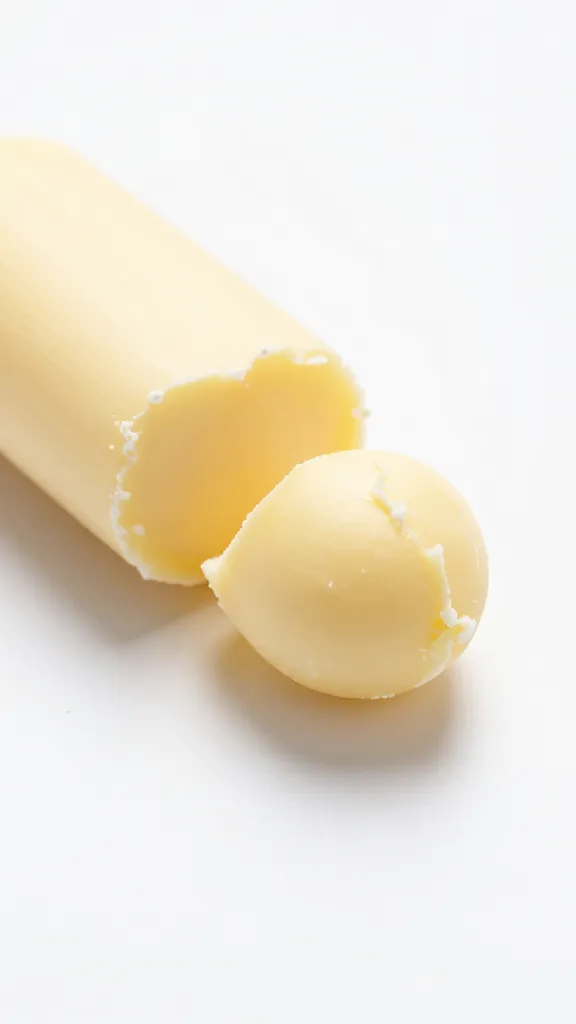
African skincare isn’t about chasing trends; it’s about respecting the land, the ingredients, and the rituals passed down through generations. Many communities use readily available botanicals, shea butter, and natural exfoliants to keep skin soft and luminous. The goal? Balance, nourishment, and a glow that comes from health, not photoshop.
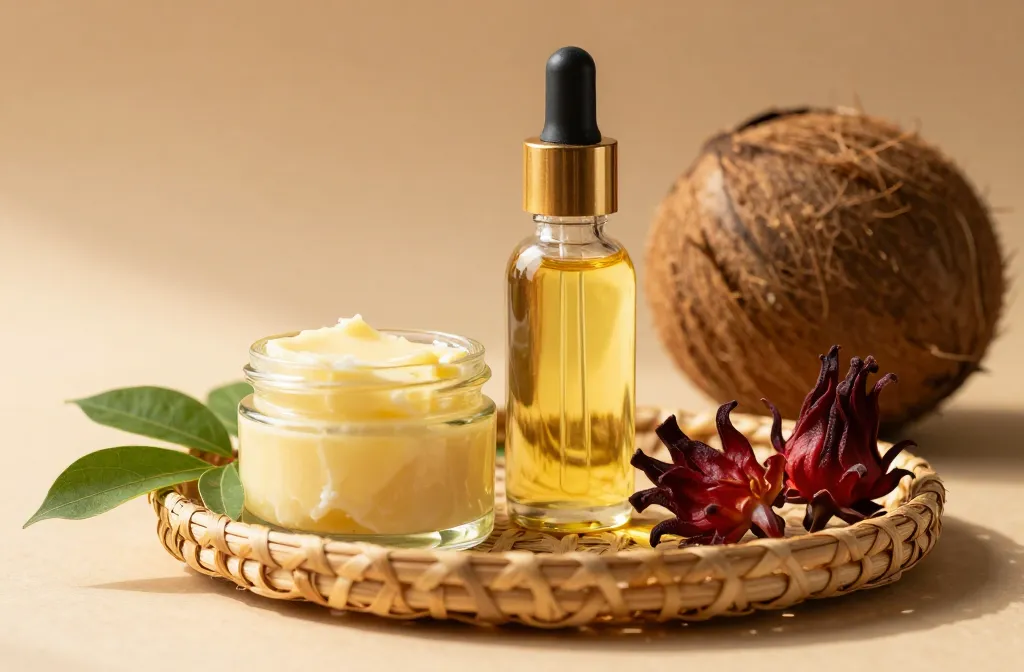
- Nature as the main ingredient: shea butter, baobab oil, moringa, and hibiscus are staples in many regions.
- Layering for moisture: oils after creams, or balms over damp skin to seal in hydration.
- Gentle exfoliation: traditional scrubs keep skin bright without stripping it.
Core Ingredients that Deliver Glow
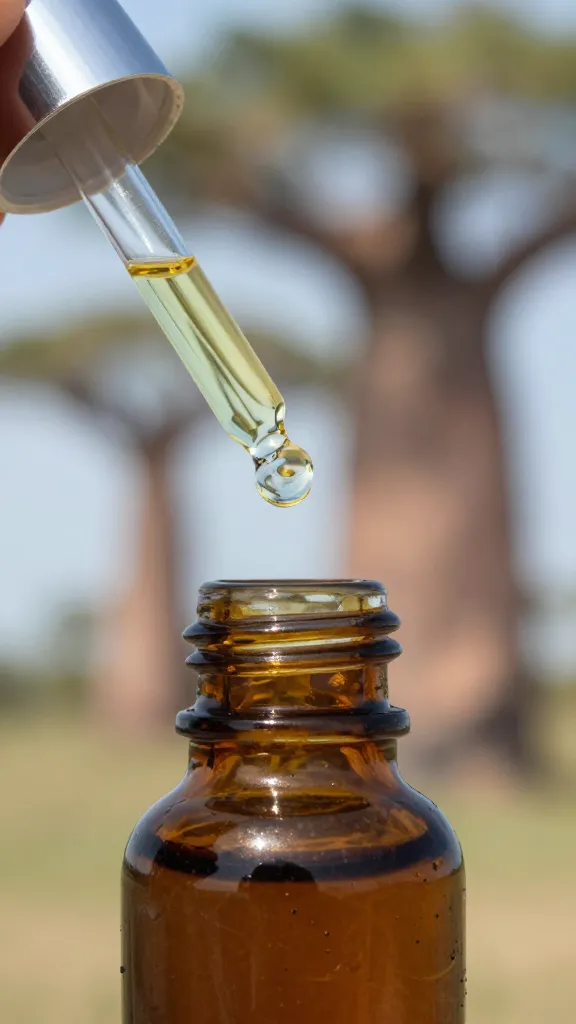
Shea Butter is a powerhouse. It moisturizes deeply, soothes irritation, and forms a protective barrier. If your skin craves nourishment, this is your best friend.
Baobab Oil is lightweight but rich in omega fatty acids. It sinks in without clogging pores, leaving skin smooth and supple.
Moringa offers antioxidant protection and helps fade dullness with consistent use. It’s like a natural brightness booster.
Hibiscus acts as a gentle chemical exfoliant, brightening skin tone and refining texture when used in moderation.
Okra, Rooibos, and Local Plants show up in different regions, each bringing unique minerals and vitamins to the mix. FYI, your grandmother probably had a secret jar of something these days would call “superfood for skin.” Now you can too.
Morning Routine: Quick, Radiant-Ready Steps
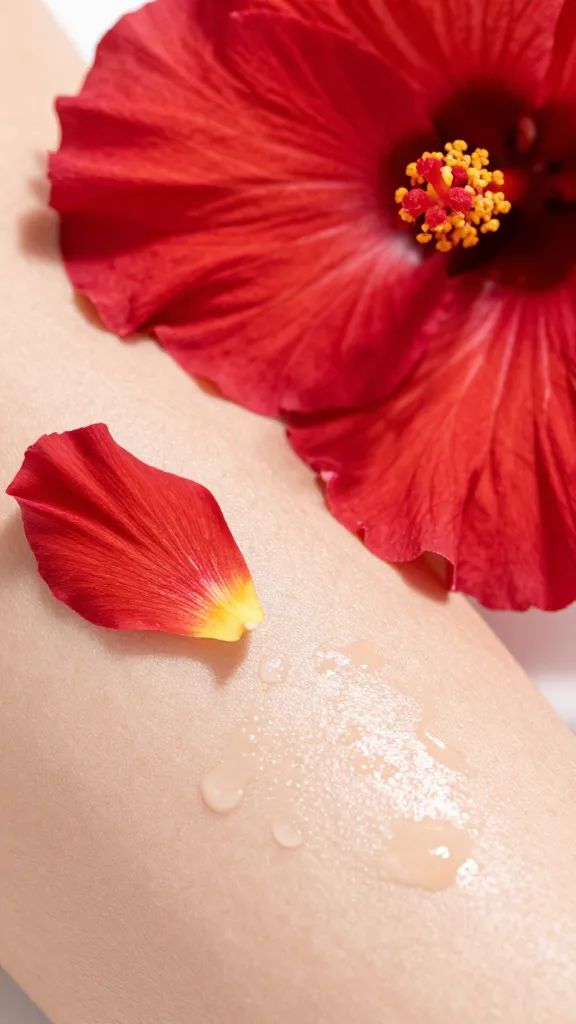
A simple, consistent routine keeps glow consistent daytime and night. Here’s a practical routine you can actually stick with.
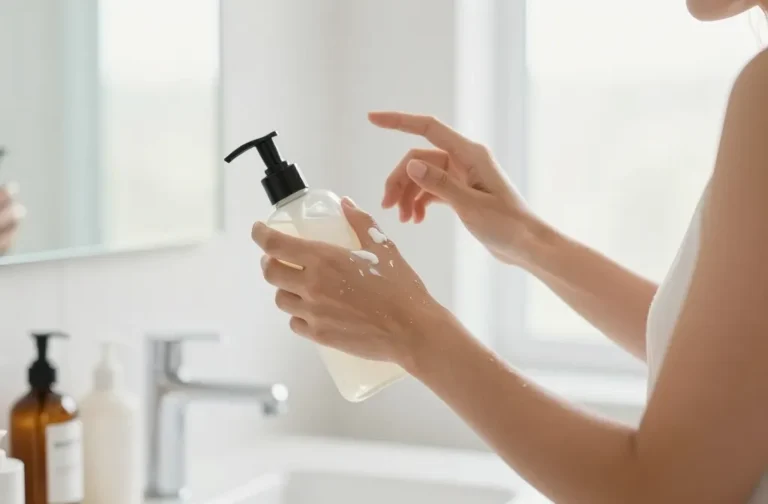
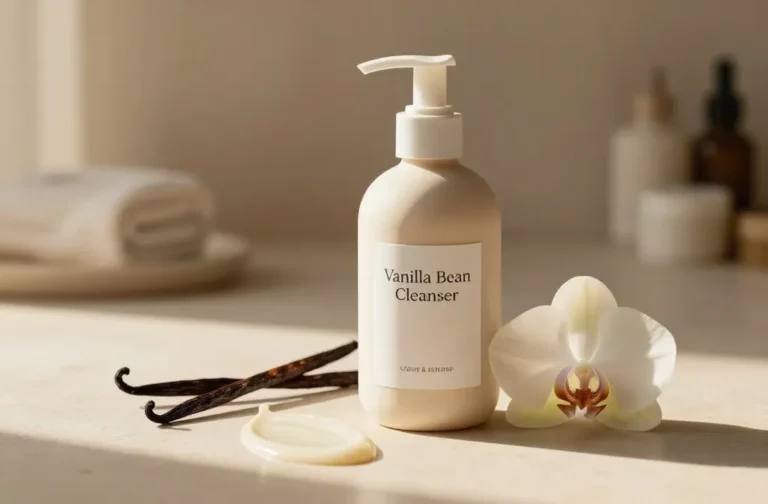
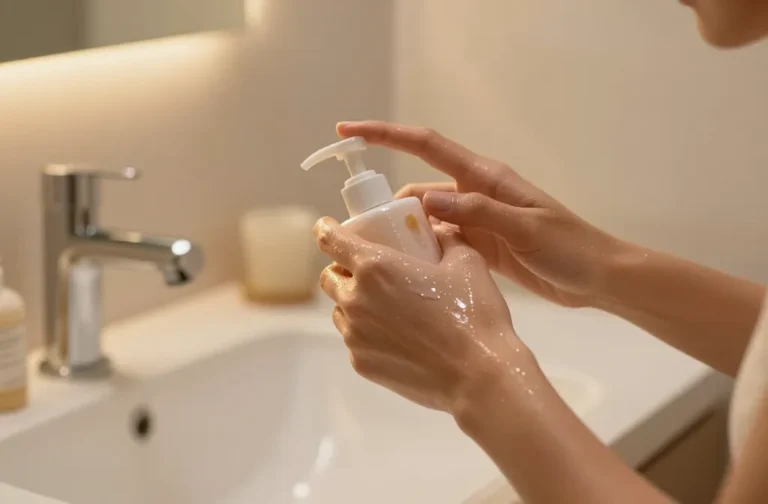
- Wash with a gentle, plant-based cleanser to avoid stripping natural oils.
- Exfoliate 1–2 times a week with a hibiscus-based scrub or a fine sugar scrub mixed with oil. Don’t overdo it—gentle is gorgeous.
- Hydrate with a lightweight oil or serum (think baobab or moringa) while the skin is slightly damp to lock in moisture.
- Seal with a rich body butter or shea-based balm to keep moisture trapped all day.
- Protect SPF daily. Glow fades without sun protection, so this is non-negotiable.
Evening Rituals: Repair and Restore While You Sleep
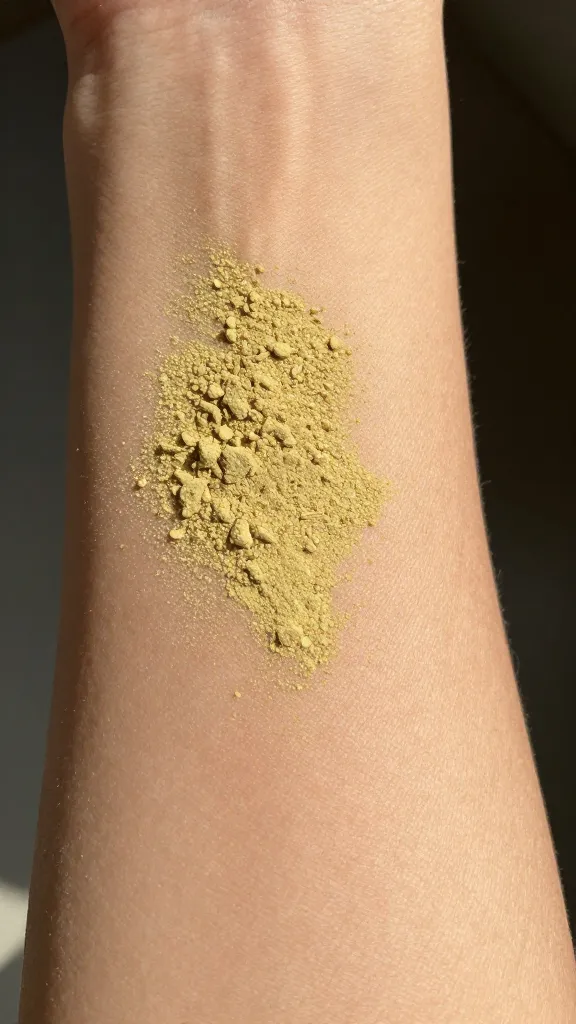
Your skin does most of its repairing at night, so tailor your routine accordingly.
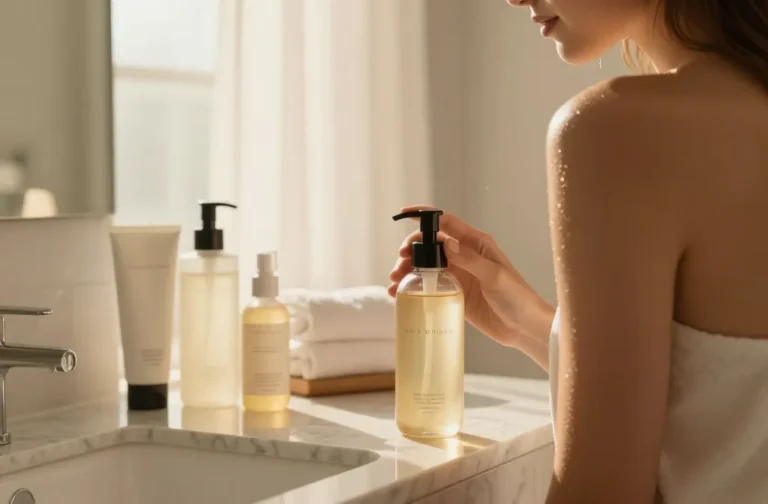
- Gentle cleanse to remove sunscreen and grime.
- Oil-based or ceramide-rich moisturizer to restore barrier function during the night.
- Weekly treat with a hibiscus-infused mask or a shea butter mask for intense nourishment.
Subsection: The Power of Layering For Glow
Layering matters more than you think. Apply a thin layer of water-based serum first, then oils, then a heavier cream or balm. This sequence locks in moisture and keeps your glow locked in.
Exfoliation: The Gentle Path to Brighter Skin

Exfoliation is about removing dead skin without aggression. The African approach leans on natural acids and physical scrubs that respect the skin barrier.
- Gentle physical scrubs with fine particles help reveal brighter skin without micro-tears.
- Hibiscus-based products provide natural AHAs that promote cell turnover mildly.
- Avoid harsh scrubs or daily exfoliation which can lead to irritation and dullness.
Nourishing Oils and Butters: The Glow Duo
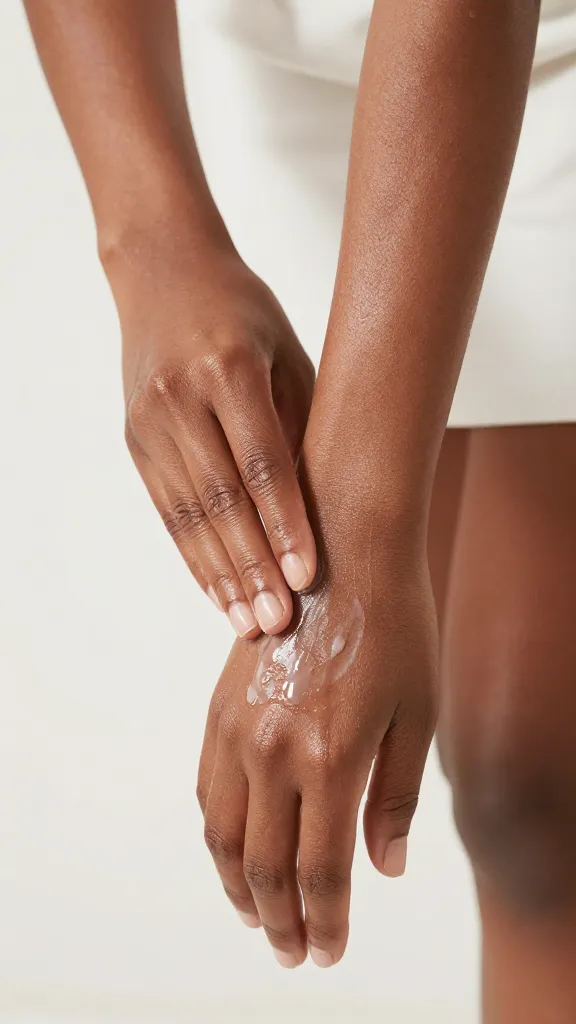
In many traditions, oils and butters are the backbone of glowy skin.
- Shea Butter for deep moisture and barrier protection. Best on damp skin.
- Baobab Oil as a fast-absorbing, non-greasy finish that leaves skin satin-smooth.
- Combo ideas: mix a few drops of moringa oil into your shea butter for a potent glow booster.
Subsection: DIY Mixes You Can Try This Weekend
– Shea butter + hibiscus powder mask for brightening.
– Baobab oil + peppermint essential oil (diluted) for a refreshing cooldown after a workout.
– Moringa oil blended with aloe vera gel for a soothing, moisturizing layer.
Texture and Glow: What to Expect Over Time
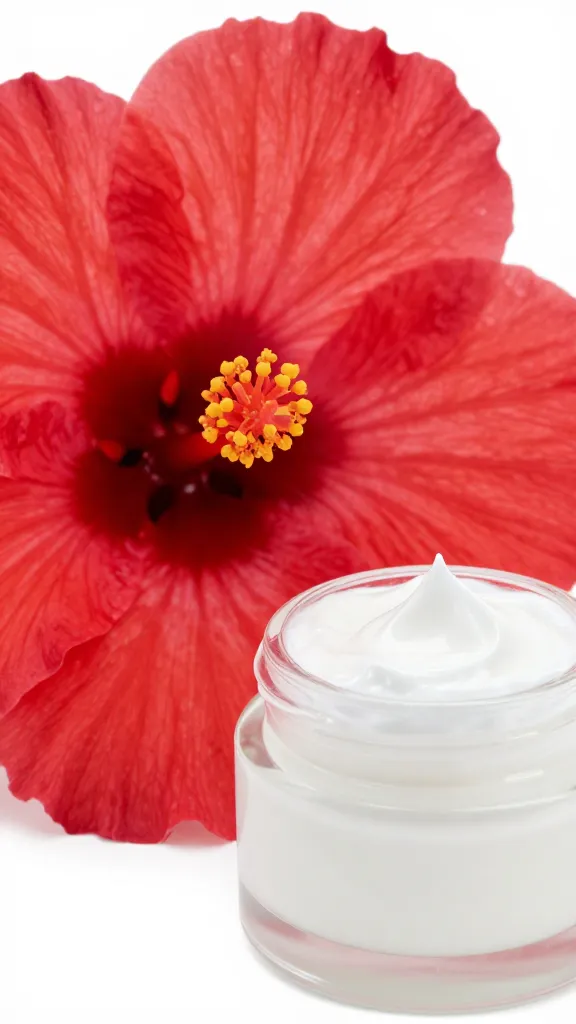
Consistency is your best friend. You won’t wake up with a Hollywood glow after one night, but with steady care you’ll start to observe:
- Smoothed texture and less rough patches.
- More even skin tone and less dullness.
- A healthy, natural radiance that looks hydrated, not greasy.
Addressing Common Concerns: Breakouts, Sensitivity, and Shade Range
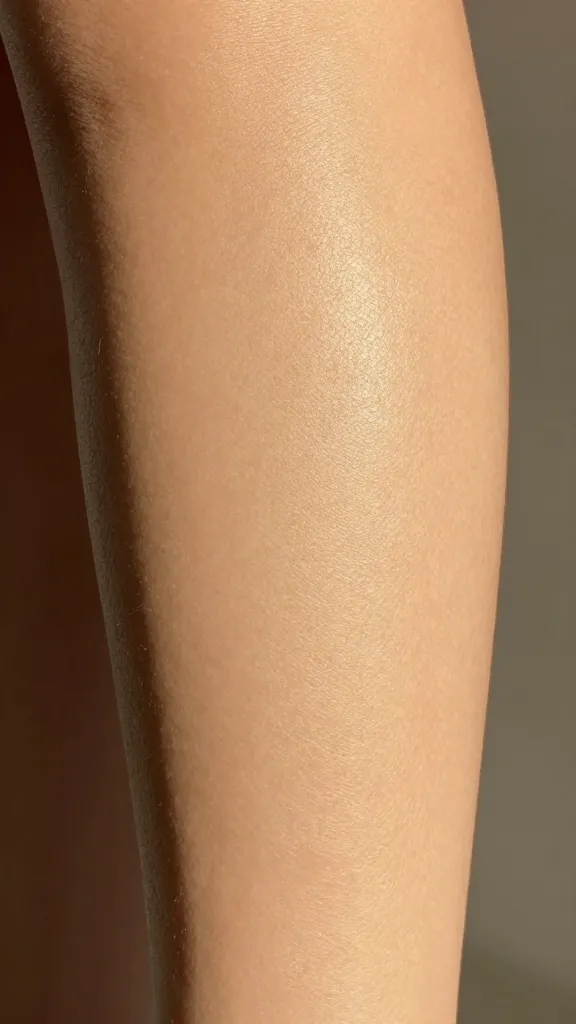
Everyone’s skin reacts differently. Here’s how to adapt the secrets to your needs.
- Breakouts: Keep exfoliation gentle, avoid blocking ingredients, and patch-test any new product.
- Sensitive skin: Choose fragrance-free formulas. Simpler is better—don’t layer a dozen active ingredients at once.
- Dark skin concerns: Focus on hydration and barrier repair; glow comes from healthy skin, not harsh bleaching.
Subsection: Patch Testing Like a Pro
Always patch test new products for 24–48 hours on a discreet area. If redness or irritation pops up, back off and switch to milder options.
FAQ: Quick Answers to Your Burning Questions
What African ingredients are best for glow?
Shea butter, baobab oil, moringa, and hibiscus are top contenders. They hydrate, protect, and brighten without harsh chemicals.
How often should I exfoliate for glowing skin?
Aim for 1–2 light exfoliations per week. Over-exfoliating can damage the barrier and counteract glow.
Can these routines help all skin tones?
Yes. Hydration and barrier support benefit every skin type. The glow comes from healthy, well-nourished skin, not a single complexion magic trick.
Do I need to avoid fragrance?
If you’re sensitive, yes. Opt for fragrance-free or naturally scented products. Less irritation means more consistent glow.
Is sunscreen required with these African ingredients?
Absolutely. Daily SPF protects your glow from aging and discoloration. No exceptions.
Conclusion: Your Glow, The Natural Way
African body care secrets aren’t about chasing a trend; they’re about honoring heritage, embracing simple, effective ingredients, and building a routine you actually enjoy. With shea butter, baobab oil, moringa, and hibiscus leading the charge, you can achieve a naturally glowing complexion that looks healthy and alive. So, start small, be patient, and let your skin wear its own sun-kissed radiance—with a little help from tradition and a lot of love. FYI, your future self will thank you for sticking with it. IMO, glow rituals that feel good are the ones you’ll actually keep.